 WhatsApp
 Zalo


Higg FEM is how most apparel and footwear brands collect environmental data from their factories. Renewable Energy Certificates (RECs) are a recognised way to show that a factory runs on renewable power. Here is how they count, and how to get them right.

The Higg Facility Environmental Module (FEM), managed by Cascale, is an annual check of a factory’s environmental performance. Factories report their data on the Worldly platform, approved verifiers check it on site, and brands use the results to follow progress across their supply chain.
In the Energy & GHG section, every energy source the factory uses is turned into Scope 1 and 2 emissions. By default, electricity is counted at the country’s grid average. RECs let a factory show the renewable electricity it actually sourced. How this works under the GHG Protocol


For most fashion brands, the biggest share of emissions comes from spinning, weaving, dyeing and finishing. A supplier’s electricity is part of its Scope 2, and that becomes part of the brand’s Scope 3. Higg FEM is where many brands find that number, factory by factory.
RECs retired for supplier factories lower the emissions those factories report to you, helping reduce your Scope 3 supply-chain emissions.
Meet your customers’ renewable energy and emissions reduction requirements, and stand out as a lower-carbon supplier.
The FEM asks about purchased electricity, purchased renewables such as a PPA, onsite renewables and Energy Attribute Certificates (EACs) separately. Cascale’s How to Higg Guide sets out seven reporting scenarios for when these are combined. Below are three situations and how each one is reported.
Report all your electricity as normal, then enter the MWh of I-RECs you retired in the EAC question.
Avoid: subtracting the RECs from your electricity use. The FEM does the maths.

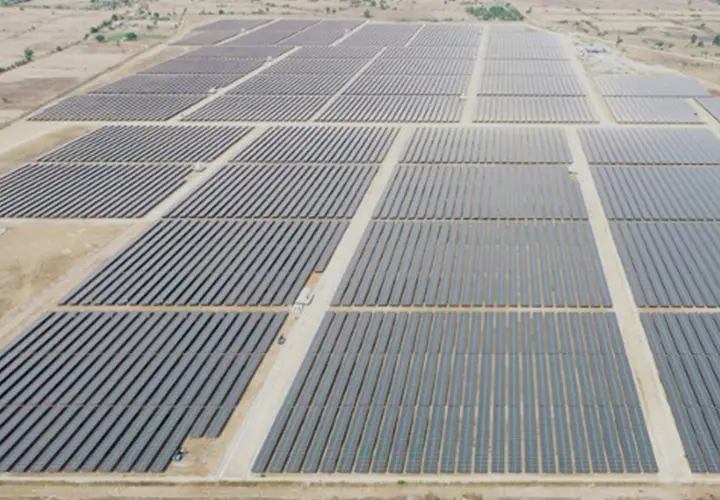
Report the solar power you used as onsite solar, and say whether you sold its certificates.
Avoid: entering certificates from solar you used onsite in the EAC question.

Report the PPA power as purchased renewables. Extra I-RECs for your grid power go in the EAC question.
Avoid: entering the PPA’s own certificates a second time.

One I-REC stands for one megawatt-hour (MWh) of renewable electricity. You decide how much of your factory’s power to cover, buy that many I-RECs, and have them retired under the name and address your factory uses on Worldly. Then you add them to the Energy section of your FEM, like this:
Example figures. Yours come from your meter readings and retirement statement.
Your grid electricity stays where it is, under Purchased Electricity, with nothing taken off. The FEM factors in the RECs you’ve retired when it works out your GHG emissions. The question doesn’t earn points in FEM 2026, but Cascale says that could change. One more thing: RECs aren’t carbon offsets. Offsets are reported in a separate question.
Retired under the facility's legal business entity name and address, as listed on its Worldly account. This also applies when a brand or manufacturing group buys on its behalf.
The FEM reporting year is the calendar year (1 January to 31 December). Report the MWh retired for that year. EACs purchased but not retired don't count.
Records of the facility's energy consumption that show the EAC claim was applied correctly.
Such as I-RECs, GOs, RECs or TIGRs, with the certificate or retirement documentation from the scheme.
Each EAC is reported once. EACs tied to a PPA or to onsite solar aren't reported again under the EAC question, and EACs sold to another company can't be claimed.
Staff responsible for EACs can explain the scheme and how the facility purchases, retires and reports them.
We work with brands and their suppliers across Asia, Africa and Latin America to source I-RECs that meet Higg FEM requirements.

For brands
For suppliers
Country guides: Vietnam Bangladesh Pakistan Sri Lanka Indonesia All guides
Not directly for now. The REC question is unscored in FEM 2026, and Cascale says it may be scored in future years. Retired RECs do lower the Scope 2 emissions the FEM calculates, which supports your GHG targets and your customers’ Scope 3 goals.
Yes. The certificates must be retired for the supplier factory’s legal name and address as registered on Worldly, and the factory keeps the documents.
You still report the solar you generated and used, but you must declare the share of certificates you sold. You can’t claim the renewable attributes of that share.
The retirement statement in the factory’s name, any documents the certificate scheme requires, and energy records showing that the claim matches your electricity use.
Tell us what you’re working towards, whether it’s a customer request, a Scope 3 target or this year’s Higg FEM. We’ll guide you through the RECs that fit your factories.

This site is protected by reCAPTCHA and the Google Privacy Policy and Terms of Service apply.
Stay updated on REC and carbon markets from Monsoon Carbon!