
Greenhouse Gas Protocol Overview - How RECs count toward your reporting
Discover what the GHG Protocol requires and how Renewable Energy Certificates (RECs) play a role in your reporting.
What is the GHG Protocol?
What are Scope 2 emissions?
Scope 2 accounting methods
Market-based method
Emissions based on the electricity you contract for: PPAs, supplier-specific contracts, or Energy Attribute Certificates (RECs, GOs, I-RECs). It can be applied by organizations actively choosing renewable or low-carbon sources.
Example: a company in Vietnam buys RECs from a wind farm and reports that consumption with an emission factor of zero.
Location-based method
Emissions from the average carbon intensity of the local grid, regardless of contracts. It can be applied by companies without supplier-specific data or control over their energy mix.
Example: a company on a coal-heavy grid reports higher location-based emissions than market-based ones.
Dual reporting
Where both data sets exist, companies are recommended, sometimes required to report both figures. RECs move only the market-based number; the location-based figure always reflects the local grid.
What are Scope 3 emissions?
Scope 3 emissions are all indirect greenhouse gas emissions that occur in a company’s value chain, excluding the indirect emissions from purchased electricity (which are Scope 2).
They are divided into two main categories:
Upstream emissions: Everything it takes to create a product (e.g., purchasing raw materials, supplier manufacturing, business travel, and employee commuting).
Downstream emissions: Everything that happens after the product is sold (e.g., transportation to retail, customer use of the product, and end-of-life disposal or recycling).
The Heavyweight:
Purchased Goods & Services
Scope 3 emissions encompass the entire supply chain, they are often the largest source of a company’s carbon footprint (frequently accounting for 70% to 90% of total emissions).
Among 15 categories of Scope 3 emissions, Category 1 (Purchased Goods and Services) is is typically the largest source for many industries such as retail, technology, apparel, and automotive.
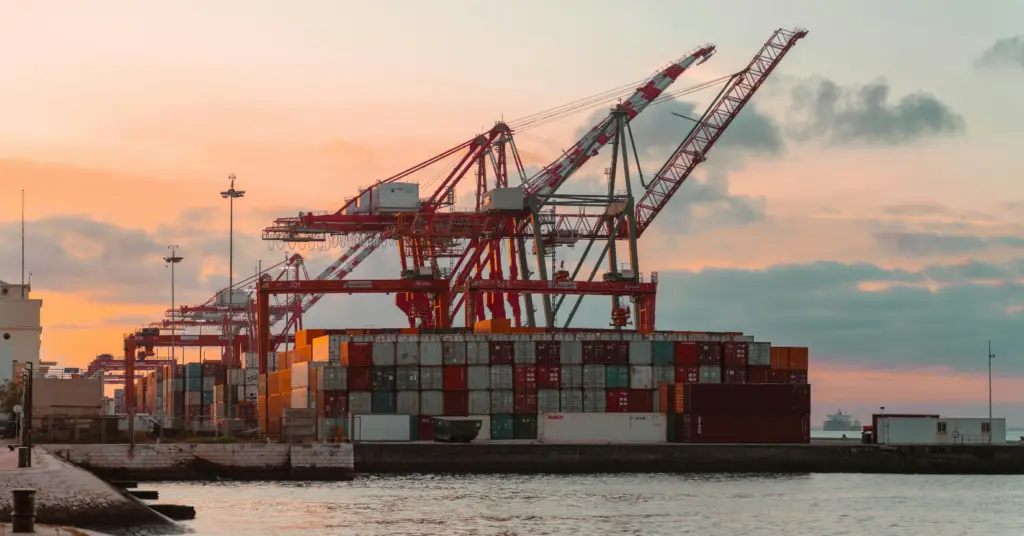
A massive portion of this comes down to the energy used by suppliers. Specifically, electricity consumption during the manufacturing and processing phases accounts for a huge chunk of these emissions.
When a brand buys raw materials or finished components, the electricity used by the supplier’s factories – Scope 2 emissions gets rolled directly into the buyer’s Scope 3 emissions.
Renewable Energy Certificates
Reduce Your Scope 2 & 3 Footprint with RECs
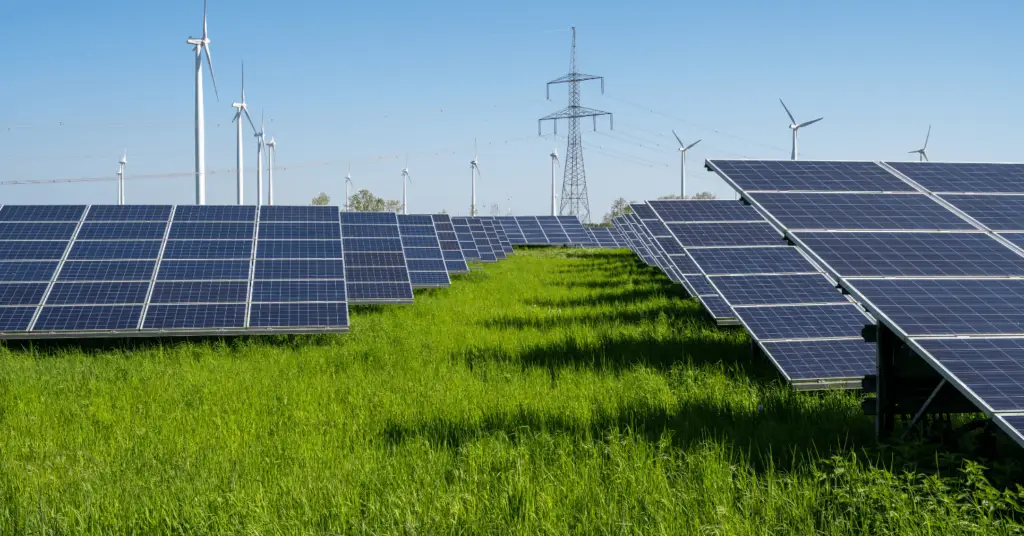
Under the GHG Protocol, RECs are the officially recognized mechanism that allows organizations to actively choose renewable sources and lower their corporate carbon footprints.
Whether you are reducing emissions in your own operations or engaging with suppliers to decarbonise their manufacturing lines, buying RECs (or I-RECs) allows you and your suppliers to officially claim renewable energy usage. This reduces your market-based Scope 2 emissions and dramatically lowers the carbon intensity of your purchased goods in Scope 3.
- Simple and Cost-effective
- GHG Protocol Alignment
- Scalable for your global footprint

What are RECs?
One certificate = proof of 1 MWh of renewable generation, tracked in an independent registry. The International Tracking Standard is a global system for tracking the environmental attributes of electricity generated from renewable sources. The tracking is achieved by the use of verified, traceable certificates known as I-RECs.
I-RECs monitor the journey of renewable energy from its generation at a power plant to its consumption by the end user. The system for I-RECs operates much like the Guarantees of Origin (GOs) in Europe and Renewable Energy Certificates (RECs) in the United States. While GOs and RECs track energy in their markets, I-RECs offers this capability in many other countries.
How do I-RECs Work?
I-RECs are created for each MWh of renewable energy produced by power plants registered on the I-REC Standard. Businesses can then purchase these I-RECs to ensure that no greenhouse gas has been released in the generation of the electricity they’ve used.
The revenue generated supports the development of new renewable energy projects, encouraging further reduction of greenhouse gas emissions and benefiting end-consumers.
Where are I-RECs Available for Purchase?
Companies can purchase I-RECs in over 60 countries approved by the International Tracking Standard. This enables your company to easily switch to renewable energy across its operating countries.
Monsoon Carbon is a pioneer in emerging markets, leading first-of-their-kind projects in many countries.
Countries with Exclusive REC Projects
Exclusive REC Projects
How RECs align under Scope 2
RECs count toward your market-based figure when they meet all four Scope 2 Quality Criteria.
1
Unique claim
Sole claim on that MWh — no double counting anywhere.
2
Tracked & retired
Cancelled in a recognised registry on your behalf.
3
Right vintage
Issued and redeemed close to the consumption period.
4
Same market
Sourced from the market where you consume the power.

 WhatsApp
 Zalo
Zalo
