 WhatsApp
 Zalo
Zalo


Monsoon Carbon manages an exclusive portfolio of 150+ I-REC projects across Asia, Africa, Latin America and the Middle East, and supplies I-RECs in 22 countries. Choose your market, or source several under one contract.
Exclusive Project Countries
Exclusive REC projects
I-RECs per year
Technologies
Each guide walks you through how to buy RECs in a specific market. It covers how certificates are issued and redeemed, what documentation you will receive, and the benefits of RECs in that market.
All certificates are International Renewable Energy Certificates (I-RECs), issued under the I-TRACK Standard (formerly The I-REC Standard).


Availability varies by market and vintage. Volumes and pricing are confirmed in your quote. Contact our team

I-RECs must come from the country where the electricity is consumed, so each plant needs its own supply. Your sites and entities can still buy separately, in their own names. They just don’t each need to find their own supplier.
Monsoon Carbon works as one partner across all of them: your own manufacturing plants, your offices and operations, and the factories in your supply chain.
Each site finds its own supplier and runs its own process.
Each site still buys in its own name, through one partner.
Sign one group-level contract, or let each plant or entity buy for itself. Either way you work with one team that knows each market.
Supplier factories can buy their own I-RECs through us, so your supplier programme runs on one source and one documentation standard.
Redemption statements come in the same format in every country, which makes a group-wide audit much simpler.
Split volumes per site, entity or reporting boundary, and set multi-year commitments across markets instead of renegotiating each country every year.
One I-REC equals 1 MWh of renewable electricity
Redeemed against Scope 2 market-based emissions
The redemption statement carries your company's name
Certificates must come from the market where the electricity was consumed
Which technologies are available, and in what volume
Price, driven by local supply and demand
Which vintages are still available
Lead time from contract to documentation
These four details determine which certificates fit your claim, what they cost and how quickly documentation arrives. Estimates are fine for a first quote, and if something is missing we can help you work it out.
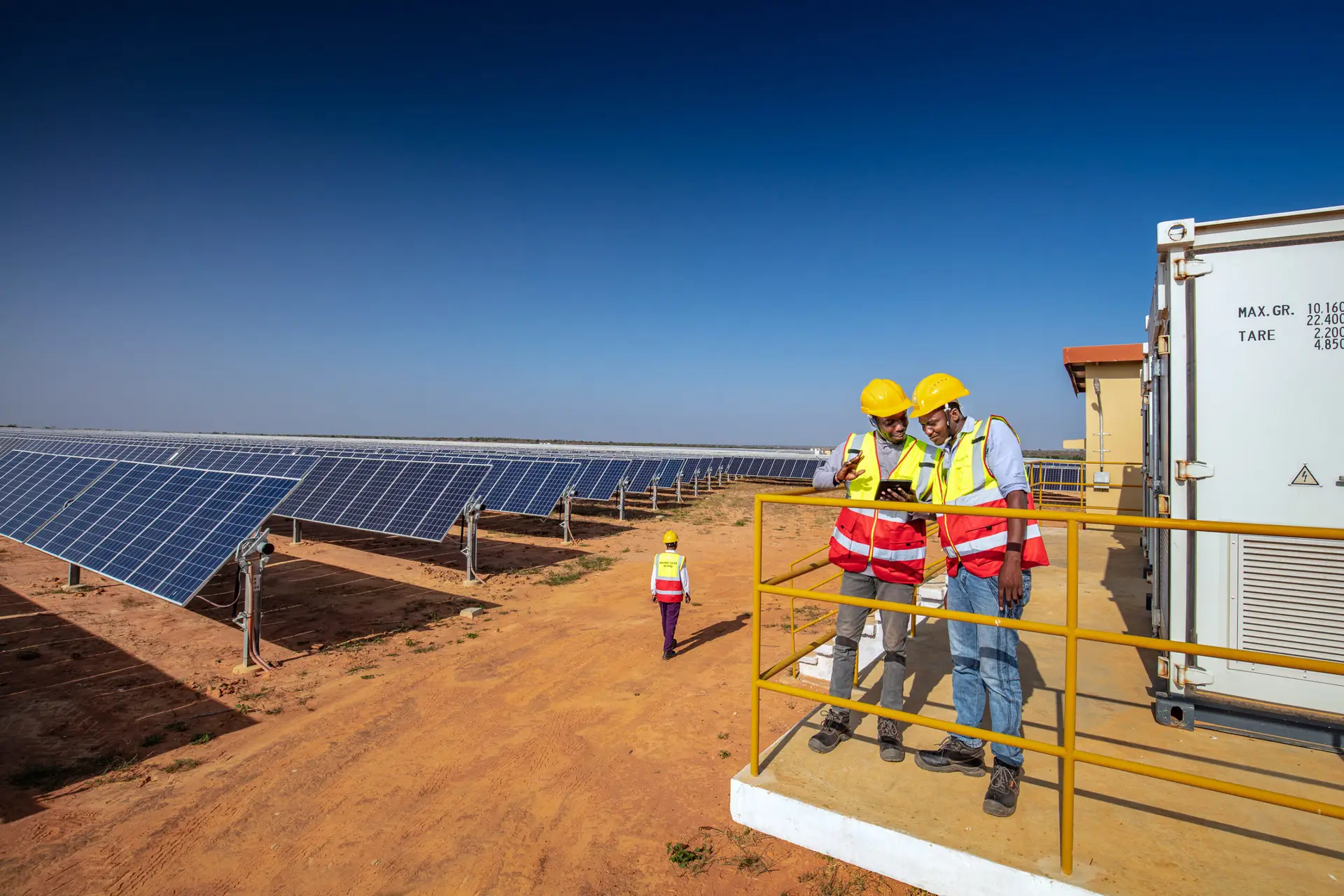
One I-REC covers one MWh, so this sets your volume. A site-by-site split lets us match certificates to each facility and legal entity.
Tip: Use metered or invoiced figures for the reporting year, and include offices and warehouses.
Certificates must come from the country where the electricity is used. The country decides which technologies are available, the price and the lead time.
Tip: List every country, even small sites. One quote can cover them all.
Most frameworks expect certificate vintages that match, or sit close to, the period you are reporting on. That decides which supply is eligible.
Tip: Buying early in the reporting cycle gives you a wider choice of vintages and facilities.
RE100, SBTi, CDP, GRI and customer programmes can each add rules. RE100, for example, has a facility-age criterion, and some customers restrict certain technologies.
Tip: Tell us your framework up front so we only offer certificates your claim can use.
Send us these four details and we’ll reply with available supply, pricing and lead time for each market.
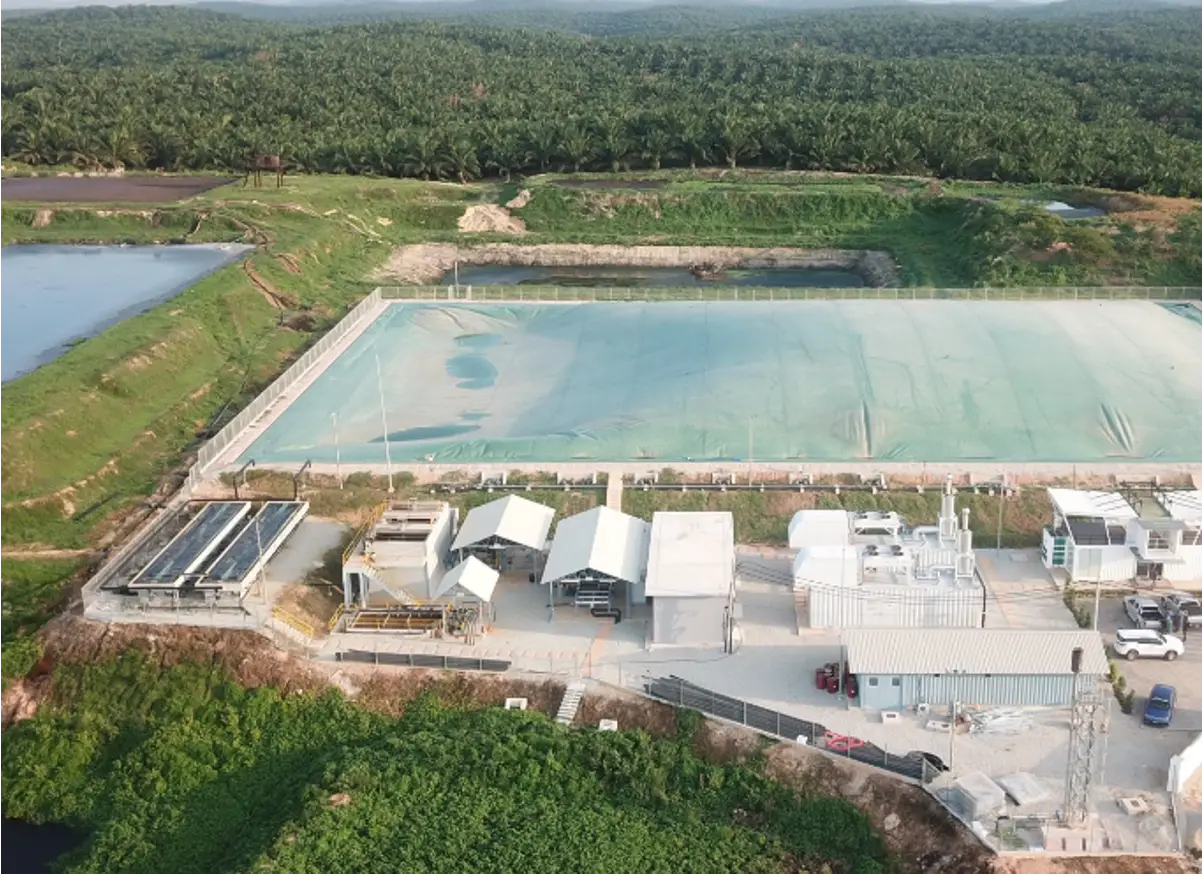
Alongside I-RECs, we supply carbon credits for organisations addressing emissions beyond Scope 2. Buyer guides for carbon credits will be published here.
We hold our own I-REC portfolio in Vietnam, South Africa, Indonesia, Nigeria, Egypt, Malaysia, Laos, Pakistan, Bangladesh, Cambodia, Israel, Kenya, Peru, Zambia, Uganda, Sri Lanka, Morocco, Nepal, India and Thailand. In other markets we can source through our established network. Don’t hesitate to ask us for a quote for any markets you operate in.
Generally, no. Under the GHG Protocol Scope 2 guidance and frameworks such as RE100, certificates must come from the same market as the electricity they are claimed against. A factory in Vietnam needs Vietnamese I-RECs, and a site in Peru needs Peruvian ones.
It depends on the market, the volume, and whether the certificates have already been issued. Let us know your expected delivery date, and your quote will specify the estimated lead time for each country, helping you plan around your reporting deadlines.
One of our key advantages is having direct access to RECs from our exclusive REC projects. This allows us to deliver RECs as early as possible once they have been generated and issued by the projects.
Yes. One contract can cover any combination of our markets, or each site, entity or supplier can buy separately through us. Volumes can be split per site, per legal entity or per reporting boundary, and multi-year commitments can be set across the whole portfolio.
For each redemption you receive a redemption statement from the I-REC registry in your company’s name. It shows the generating facility, technology, country, volume in MWh and the consumption period covered. The format is the same in every market.

This site is protected by reCAPTCHA and the Google Privacy Policy and Terms of Service apply.
Stay updated on REC and carbon markets from Monsoon Carbon!