



 WhatsApp
 Zalo
Zalo

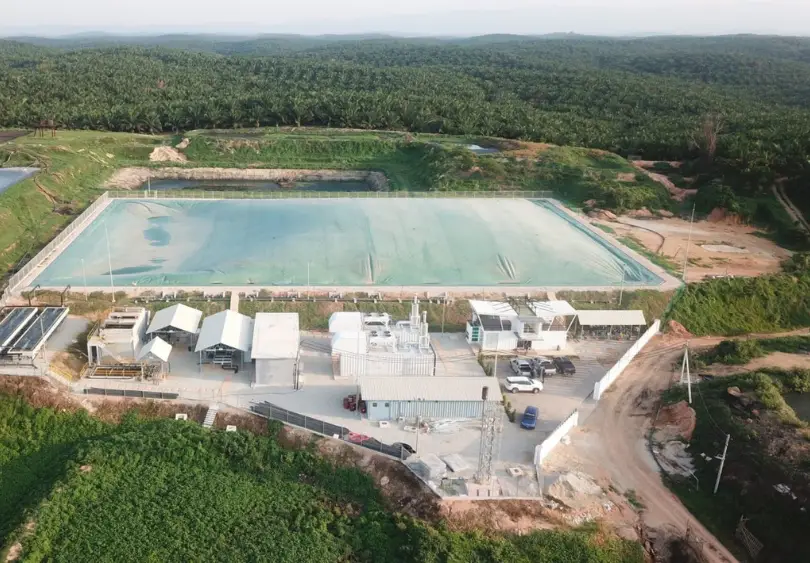
Each biogas plant reduces emissions by 25,000-50,000 tCO2e p.a. and produces the same number of Verified Emissions Reductions.
Monsoon is working to scale up the Grouped Project over the short to medium term. We are hopeful that the issuance for 2025 and beyond will be several hundred thousand credits.
Each biogas plant in the Grouped Project contributes to sustainable development, typically SDG 13 “Climate Action”, SDG 7 “Affordable and Clean Energy”, SDG 8 “Decent Work and Economic Growth” and SDG 4 “Quality Education”.
Environmentally, these biogas plants reduce the emissions of Greenhouse Gas (GHG) and improve the quality of the final wastewater. The biogas plants realise a source of renewable energy and reduce Indonesia’s reliance on fossil fuel sources.
Socially, the construction, operation and maintenance of the biogas plants provides job opportunities. Staff also benefit from technical training and the development of new skills from the operation of these new technologies.
The Grouped Project is planned for registration under Verra’s Verified Carbon Standard by March 2025. Each of the biogas plants must comply with a set of eligibility criteria defined for the Grouped Project. Each biogas plant is a voluntary undertaking: capture of methane by the projects in the Grouped Project is not mandatory. The revenue from carbon credits is critical to the financial feasibility of these biogas plants.
We publish updates on the Grouped Project at this page.
The Grouped Project is open to new projects and can involve methane capture from any type of industrial wastewater. Please contact us if you believe you have a suitable biogas plant.
We work in partnership with leading biogas operators and owners of palm oil mills (or other industrial factories with wastewater that generates methane)
To succeed in carbon projects, biogas operators generally need technical assistance to:
Monsoon supports project owners on all of the above, from initial assessments of eligibility through to sales of the carbon credits. We also cover all the costs associated with the carbon process, which means we take on most of the risk.
We work on a success-fee only, based on a share of the revenue from carbon credit sales. We are only remunerated once the Grouped Project and the included biogas plants are registered, the credits are verified and issued and then sold to a buyer.
Key eligibility criteria for all biogas plants seeking admission to the Grouped Project:
Monsoon will undertake a more detailed assessment of eligibility for each biogas plant.
The Grouped Project is open for inclusion of other eligible biogas plants. The Grouped structure makes it easier, faster and cheaper for small Biogas Plants to access carbon markets and revenue.

This site is protected by reCAPTCHA and the Google Privacy Policy and Terms of Service apply.
Stay updated on REC and carbon markets from Monsoon Carbon!