
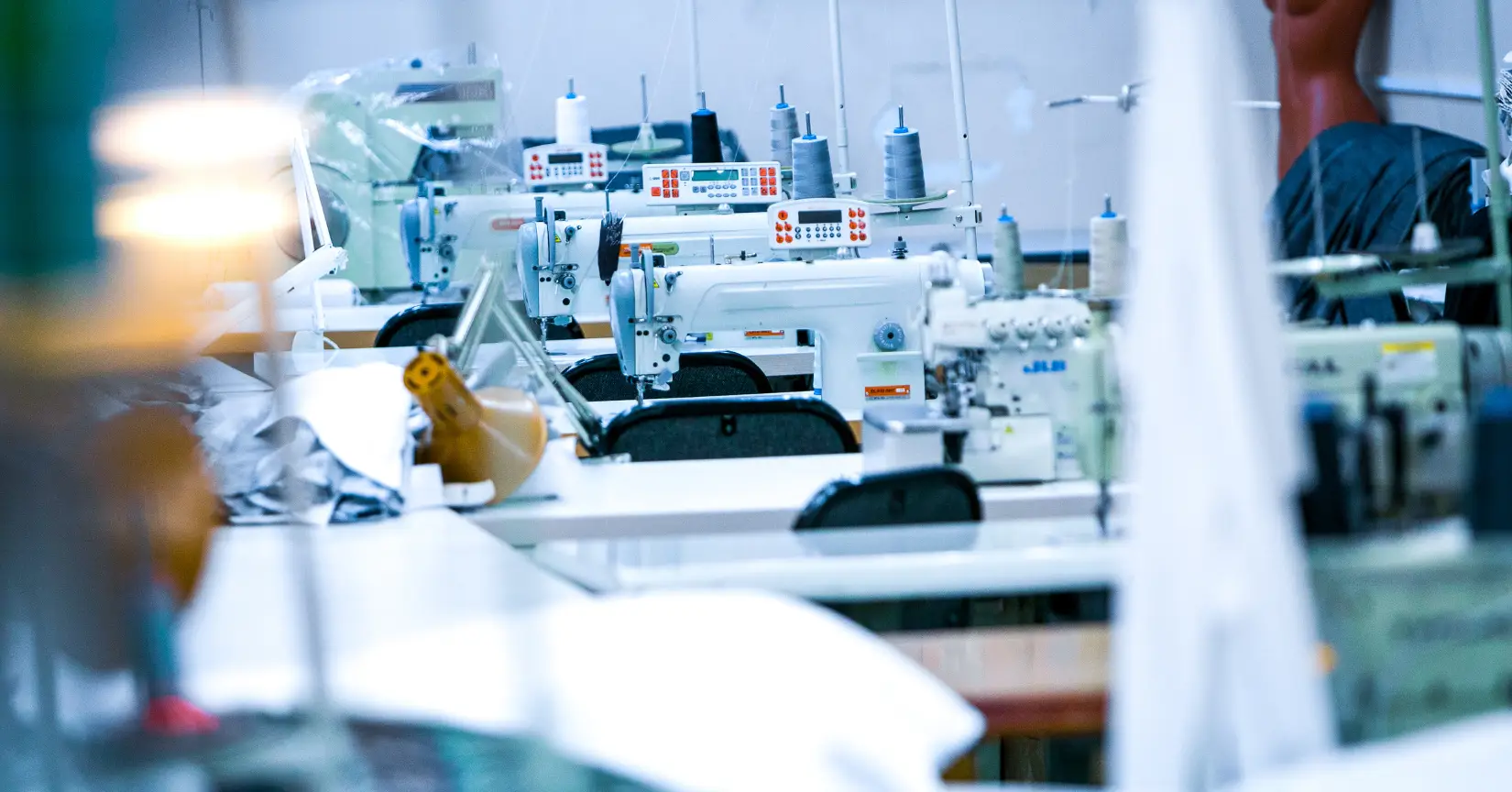
Textile companies across the globe are under pressure to reduce their emissions.
Businesses manufacturing garment, apparel and footwear can now take advantage of International Renewable Energy Certificates (I-RECs) to reduce their Scope 2 Emissions. This is one of the most simple ways to take climate action!
This article looks at how to buy I-RECs for companies in this industry.
A Strong Push for Renewable Energy Use by the Textile Industry
The fashion industry contributes to around 10% of total global emissions and a large part of this is the consumption of electricity. Companies in this sector are increasingly encouraged to embrace renewable energy across their operations and value chains!
The driving forces of change include
1) Global Initiatives like RE100 and SBTi.
These initiatives are promoting companies to commit to 100% renewable energy use by 2030 (RE100) and set science-based emissions reduction targets (SBTi) with recent Near-term targets.
2) Textile-Specific Standards
Standards for the textile industry like the Higg Index, bluesign®, and the Global Organic Textile Standard (GOTS) are increasingly incorporating renewable energy usage into their certification criteria. The Higg Index assesses environmental impacts including energy use and greenhouse gas emissions, encouraging facilities to adopt renewable energy sources. The bluesign certification encourages textile companies to aim for a high level of renewable energy use.
3) Renewable Energy is a Prerequisite to Access Contracts and Whole Markets!
Leading fashion brands including H&M, Adidas, Patagonia, Levi’s are demanding renewable energy adoption from their suppliers. Additionally, unions and countries worldwide are initiating policies for low-carbon textile industry, like the EU Strategy for Sustainable and Circular Textiles. Switching to renewable energy can open access to lucrative new markets.
Time to Get On Board
It’s evidently time for using more renewable energy.
However, there are barriers in place preventing manufacturers from transitioning. Buying exclusively renewable energy can be impossible in many regions because power market rules don’t allow it, especially in emerging markets due to regulatory and infrastructure complexities. This electricity is a mix of conventional non-renewable sources like coal and natural gas, as well as renewable sources such as solar, wind, and hydro.
I-RECs offer an easy and cost-effective solution to show that your electricity is from renewable sources.
What are I-RECs?
The I-REC Standard is a global system for tracking environmental attributes of electricity generated from renewable sources. The tracking is achieved by the use of verified, traceable certificates known as known as I-RECs.
I-RECs monitor the journey of renewable energy from its generation at a power plant to its consumption by the end user. The system for I-RECs operates much like the Guarantees of Origin (GOs) in Europe and Renewable Energy Certificates (RECs) in the United States. While GOs and RECs track energy in their markets, I-RECs offer this capability in many other countries.
How do I-RECs Work?
I-RECs are created for each MWh of renewable energy produced by power plants registered on the I-REC Standard. Businesses can then purchase these I-RECs to ensure that no greenhouse gas has been released in the generation of the electricity they’ve used.

The revenue generated supports the development of new renewable energy projects, encouraging further reduction of greenhouse gas emissions and benefiting end-consumers.
How do Textile Companies Benefit from Using I-RECs?
I-RECs are a practical and easy tool for companies to reduce their carbon emissions and achieve their sustainability goals.
I-RECs are a practical tool used by companies to meet their sustainability goals in relation to emissions reduction. Some of the key benefits for businesses using I-RECs includes:
- Reducing textile operations’ electricity emissions (Scope 2 emissions) with an established, accepted and cost-effective initiative
- Reducing carbon footprint from textile value chains (Scope 3 emissions) when RECs are required to adopt for textile suppliers
- Enabling companies to choose to use renewable energy, and enabling companies to choose which specific renewable energy power plant to support
- Achieving your sustainability goals, in compliance with different textile standards, such as Higg Index, bluesign, Global Organic Textile Standard (GOTS), UN Alliance for Sustainable Fashion, Greenhouse Gas Protocols, RE100, SBTi, the Net-Zero Standard, CDP and others.
For clothing and fashion retailers, these changes can improve their public image, showcasing a commitment to combating climate change.
Similarly, garment, textile and footwear suppliers, in addition to these above benefits, I-RECs can empower them to meet the leading environmental textile standard, gaining a competitive advantage to attract and on board big clients.
How to Start Using I-RECs for Textile Companies
It’s easy for a company in the textile industry to start to use I-RECs.
Simply calculate your company’s electricity consumption in MWh and purchase an equivalent number of RECs.
Monsoon can then retire these certificates with your company’s details attached. An example is provided below:

Though using I-RECs to reduce your carbon emissions is not complex or difficult, there are rigorous rules applied to the use of I-RECs that your company should be aware of. These rules determine whether your I-RECs are eligible for counting towards reducing your carbon footprint or not. Monsoon can help you navigate these rules.
How to Buy I-RECs for Textile Companies
Monsoon Carbon is a trusted leader providing verified I-RECs. We supply I-RECs sourced from a variety of accredited renewable energy power plants across the world, on spot or forward orders.
Contact us to purchase verified I-RECs for your electricity consumption.


